The evolution of casinos a journey through history
Ancient Origins of Gambling
The roots of gambling can be traced back thousands of years to ancient civilizations. Archaeological evidence shows that gambling activities were prevalent in ancient China, where games of chance were played using sticks and tiles. Similarly, the Romans engaged in various betting games, often related to gladiatorial contests. These early forms of gaming laid the groundwork for what would evolve into structured gambling establishments. As cultures developed, so did the sophistication of these games, transforming casual pastimes into competitive activities that engaged people across social classes. Explore our expert insights at https://awawake.org/, where you can find comprehensive guides to the best gaming platforms.

In addition to China and Rome, other cultures such as the Greeks and Egyptians also contributed to the evolution of gambling. The Greeks enjoyed dice games, often playing them at social gatherings, while the Egyptians utilized various forms of betting, which were often linked to rituals and celebrations. These early gambling practices served not only as entertainment but also as a means of social interaction, creating bonds among participants while introducing the thrill of risk and reward. As these practices spread, so too did the concept of wagering on uncertain outcomes.
The evolution of these early gaming practices is essential in understanding how casinos emerged as formal establishments. With the development of more organized societies, the necessity for dedicated spaces to engage in gambling became apparent. This transition marked a significant step toward the establishment of casinos, where laws and regulations could be created to manage gambling activities and mitigate disputes. By the end of the Middle Ages, gambling houses began to appear in Europe, setting the stage for the future of casinos.
The Birth of Modern Casinos
The term “casino” originates from the Italian word meaning “little house.” In the 17th century, the first official casino, the Ridotto, opened in Venice, Italy, during the carnival season. This establishment provided a controlled environment for gambling and was a significant step in the formalization of gaming. The Ridotto allowed patrons to engage in various games, including faro and other card games, all under strict regulations. This laid the groundwork for future casinos by providing an organized and safe space for gambling.
As the popularity of gambling grew, so did the design and architecture of casinos. By the 18th century, casinos were becoming more elaborate, resembling palaces rather than mere gambling houses. The establishment of the Monte Carlo Casino in Monaco in 1863 marked a turning point in the history of gambling, as it became a symbol of luxury and sophistication. This casino not only attracted the wealthy elite of Europe but also influenced the development of gambling laws and regulations across the continent.
With the rise of modern casinos, gambling began to evolve into a more socially acceptable activity. The establishment of casinos became intertwined with entertainment, offering not just games of chance but also dining, music, and other forms of leisure. This multi-faceted approach helped to elevate the status of casinos, allowing them to flourish in popular culture. As gambling gained acceptance, it paved the way for the expansion of casinos in various regions, particularly in the United States, where iconic locations such as Las Vegas emerged.
The Rise of Las Vegas and Global Expansion
The city of Las Vegas revolutionized the casino industry in the mid-20th century. After the legalization of gambling in Nevada in 1931, Las Vegas quickly transformed from a modest desert town into a dazzling entertainment capital. The first major hotel-casino, the Flamingo, opened in 1946, setting a new standard for luxury and entertainment. Las Vegas casinos began to incorporate extravagant themes, luxurious accommodations, and high-profile entertainment acts, which attracted millions of visitors from around the world.
By the 1970s and 1980s, Las Vegas had solidified its reputation as the gambling capital of the world. The introduction of mega-casinos, such as Caesars Palace and The Mirage, expanded the concept of casinos from mere gambling houses to comprehensive entertainment complexes. This evolution not only changed how people experienced gambling but also how casinos marketed themselves. The fusion of entertainment, fine dining, and world-class shows created an irresistible allure for visitors, making gambling an integrated part of a larger recreational experience.
The global expansion of casinos continued to accelerate, with countries recognizing the potential economic benefits of legalized gambling. In the 1990s and early 2000s, nations like Singapore, Macau, and even emerging markets embraced the casino industry. The rise of online casinos further broadened the scope of gambling, allowing players to engage in gaming experiences from the comfort of their homes. This digital evolution introduced new technologies, reshaping how casinos operated and reached their audiences, leading to unprecedented growth in the gambling sector.
The Digital Revolution and Online Gambling
The advent of the internet marked a pivotal moment in the evolution of casinos, transforming the way people engage with gambling. Online casinos emerged in the late 1990s, allowing players to access a wide array of games from anywhere in the world. This convenience attracted a new demographic of gamblers who preferred the anonymity and flexibility offered by online platforms. Players could enjoy traditional table games and innovative slots without stepping foot inside a physical casino, significantly changing the landscape of the gaming industry.
As technology advanced, so did the online gambling experience. Developers introduced live dealer games, virtual reality experiences, and mobile gaming applications, further bridging the gap between physical and online casinos. These innovations provided players with immersive experiences that replicated the thrill of being in a traditional casino, albeit from a digital space. The integration of secure payment methods and enhanced security features also instilled confidence in players, making online gambling a viable alternative to brick-and-mortar establishments.
Moreover, the regulatory landscape for online gambling has evolved to ensure consumer protection and fair play. Various jurisdictions have implemented comprehensive laws governing online casinos, allowing them to operate legally and responsibly. This shift has not only enhanced player trust but has also led to a surge in new online platforms, catering to diverse preferences and playing styles. The digital revolution in gambling continues to expand, with an increasing number of players choosing online casinos for their convenience and variety.
The Future of Casinos and Online Gambling
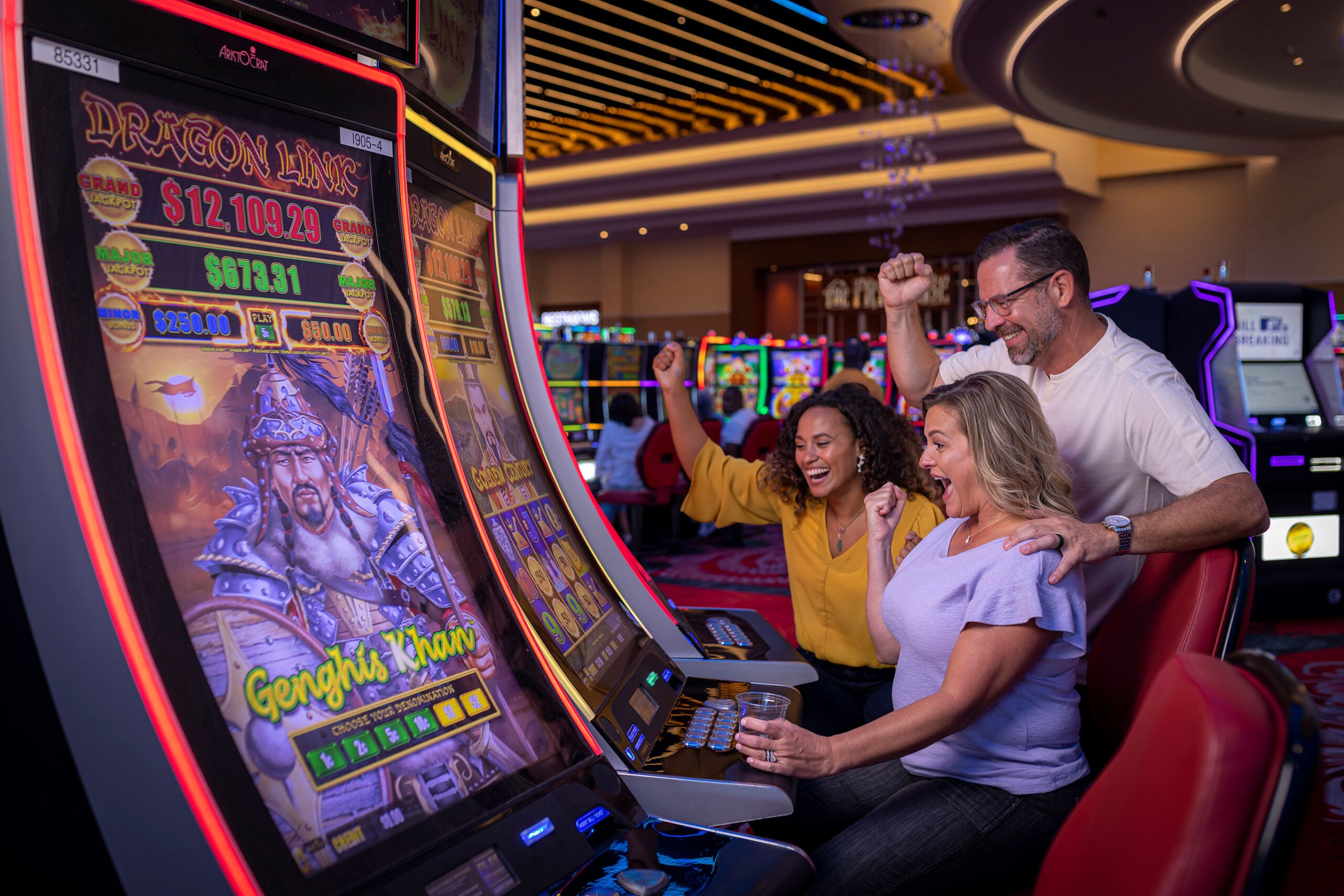
The future of casinos appears to be a blend of physical and digital experiences, as both traditional and online gaming establishments continue to innovate. As technology advances, casinos are likely to incorporate augmented reality, artificial intelligence, and blockchain technology to enhance gaming experiences and streamline operations. These innovations can potentially transform how games are played, how winnings are distributed, and how casinos engage with their customers.
The online gambling sector is expected to grow exponentially, driven by the increasing acceptance of gambling in various cultures and regions. Mobile gaming is particularly poised for significant growth, as smartphone technology evolves and more players seek convenient gaming options. As regulations adapt to new technologies, a wider range of gaming options will become available, appealing to a broader audience.
Moreover, as the competition among online platforms intensifies, casinos will likely focus on creating unique experiences through exclusive games, personalized promotions, and loyalty programs. Player engagement will be paramount, as operators strive to retain their customer base in an increasingly crowded market. This ongoing evolution ensures that casinos, both physical and online, will continue to captivate audiences worldwide.